
Health Coaching: Turning intention into action
Most of us can think of something we could do to improve our health.
Perhaps it’s moving more, eating differently, getting more sleep, managing stress, stopping smoking or taking medication more consistently.
We may understand the benefits. We may even really want to make the change. Yet knowing what to do and actually doing it are two very different things. This is one of the reasons health coaching can be so valuable.
Knowing isn’t always enough
Traditional healthcare has understandably placed considerable emphasis on giving people information and advice. There are times when this is essential. People need good information to make informed decisions about their health. However, information alone doesn’t necessarily change behaviour.
A person may understand perfectly well that becoming more active would help their diabetes or cardiovascular health. The difficulty may be having the confidence and motivation, finding the time, knowing where to begin, managing pain, overcoming previous experiences or believing that change is actually possible. Simply providing more information may not address any of those things.
Health coaching starts by exploring the person behind the behaviour. From “What should you do?” to “What could work for you?”
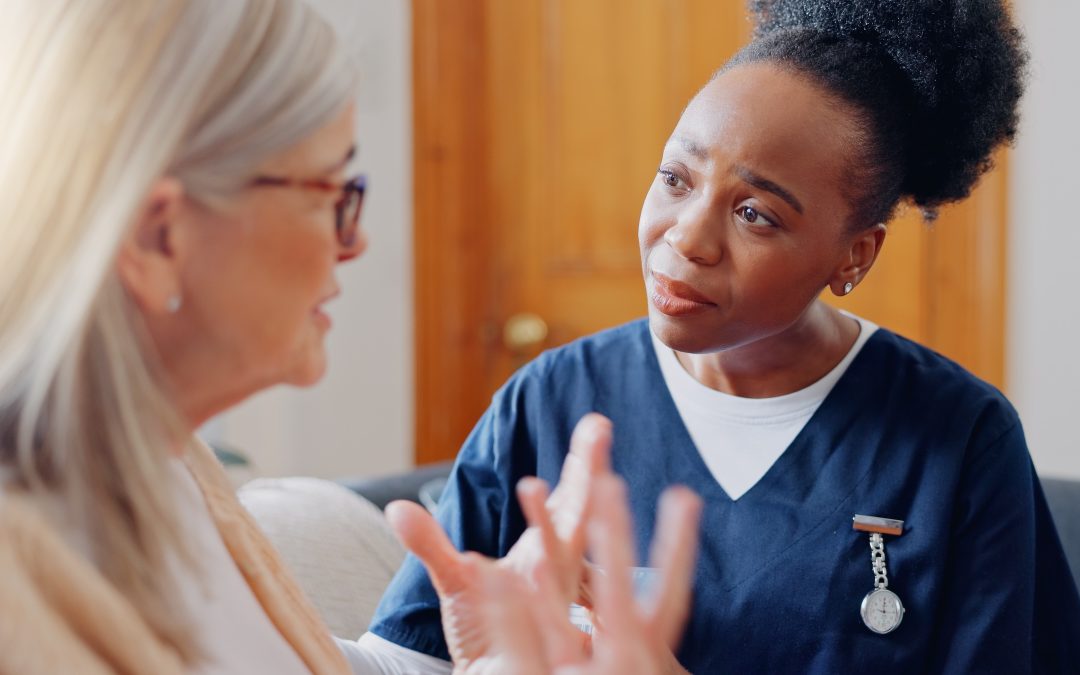
Health coaching is based on a collaborative, person-centred relationship. Rather than assuming that the health professional or coach has all the answers, it recognises that the person brings something more important to the conversation: an understanding of their own life. Their priorities, motivations, challenges, strengths and their previous experiences of trying to change.
A coach brings skills in listening, questioning, behaviour change and supporting people to explore their goals and options.
Together, they can begin to find a way forward that feels meaningful and achievable to the individual.
What does the research tell us?
There is a growing body of research examining Health Coaching across different health conditions and settings.
A 2023 systematic review and meta-analysis brought together 30 randomised studies. These studies examined coaching for people living with chronic conditions. The researchers found improvements in quality of life and self-efficacy in the short term. Moreover, they noted improvements in depression at several follow-up points.
Self-efficacy is particularly relevant to health coaching. Put simply, it is someone’s belief in their ability to take action and succeed in a particular situation. A person can know that something would be beneficial for their health without believing they are capable of doing it.
Health coaching can help people explore what they feel ready and able to do, identify manageable steps and build confidence through their own progress.
Supporting people living with long-term conditions
Earlier research has also found encouraging results. A systematic review examining health coaching for adults with chronic diseases found positive effects across physiological, behavioural and psychological outcomes. Significant findings included better weight management, increased physical activity and improvements in physical and mental health.
The researchers concluded that health coaching could support people in managing chronic conditions, while also calling for further research into its long-term effectiveness and cost-effectiveness. This reflects an important principle of health coaching – the aim isn’t to do something to someone, it’s to support someone to become more involved in their own health and well-being.
From passive recipient to active participant
This concept is sometimes described as patient activation – the knowledge, skills and confidence someone has to manage their own health and healthcare.
Research into patient activation provides another interesting piece of the picture. A systematic review and meta-analysis involving more than 150,000 people with chronic conditions found that higher levels of patient activation were associated with lower risks of hospitalisation and emergency department attendance. This doesn’t mean that health coaching itself can automatically be said to reduce hospital admissions, as association isn’t the same as causation. However, it does demonstrate why helping people develop the confidence and capability to participate in their own health can be so important.
What might this look like in practice?
Imagine someone living with Type 2 diabetes who has been advised to increase their physical activity. They may already know that exercise could help. A conversation based primarily around advice might reinforce the recommended amount of activity and explain its benefits. However, a coaching conversation might explore something different.
How do you feel about becoming more active?
What would you like to be able to do that you can’t comfortably do now?
What has stopped you becoming more active previously?
When have you managed to make a change successfully before?
What helped you then?
What is one small change that feels realistic this week?
Perhaps the answer isn’t joining a gym or reaching 10,000 steps. Perhaps it’s walking for ten minutes with a friend twice this week. The person has identified the step. They believe they can do it, and if they succeed, they have something on which to build.
A different relationship with change
One of the most powerful aspects of health coaching is that it recognises that sustainable change is deeply personal. What motivates one person may mean very little to another. What feels achievable to one person may feel overwhelming to someone else. What a healthcare professional considers the most important priority may not be the issue that the person is ready to address today.
Health coaching creates space to explore those differences. It allows us to move away from:
“Why haven’t you done this?”
and towards:
“What would help you move forward?”
That isn’t lowering expectations. It’s working with the person to find the motivation, confidence and next step that belong to them.
Developing the skills to have different conversations
These conversations may sound simple but having them well takes skill.
Health coaching requires practitioners to listen without immediately solving, ask questions without directing the answer, notice motivation and ambivalence, understand behaviour change and know when to challenge and when to allow someone time to think. These are skills that can be learned, practised and developed.
At the Health Coaching Academy, our four-day Health & Well-being Coach programme is designed around experiential learning, giving participants opportunities to practise health coaching, receive feedback and reflect on their own approach.
The programme is Personalised Care Institute accredited at Level 3 and holds EMCC EQA accreditation at Foundation level.
Sometimes the most helpful thing we can offer isn’t another piece of advice, it’s a conversation that helps someone discover what change could look like for them.
Find out more about Health Coaching training with the Health Coaching Academy.
Contact Our Team | Health Coaching Academy
Boehmer, K.R. et al. (2023).
The impact of health and wellness coaching on patient-important outcomes in chronic illness care: A systematic review and meta-analysis. Patient Education and Counselling, 117, 107975.
DOI: 10.1016/j.pec.2023.107975.
Kivelä, K., Elo, S., Kyngäs, H. & Kääriäinen, M. (2014).
The effects of health coaching on adult patients with chronic diseases: A systematic review. Patient Education and Counselling, 97(2), 147–157.
DOI: 10.1016/j.pec.2014.07.026.
3. Kinney, R.L. et al. (2022).
The association between patient activation and healthcare resources utilisation: a systematic review and meta-analysis. Public Health.