
By Lesley Thompson, Director and Co-Founder, Health Coaching Academy
The Importance of Listening in Maternity Care
Reading Baroness Amos’ report is both sobering and deeply moving. The stories of women, families and staff stay with you long after you’ve put the report down, and they demand reflection from all of us working across health and care.
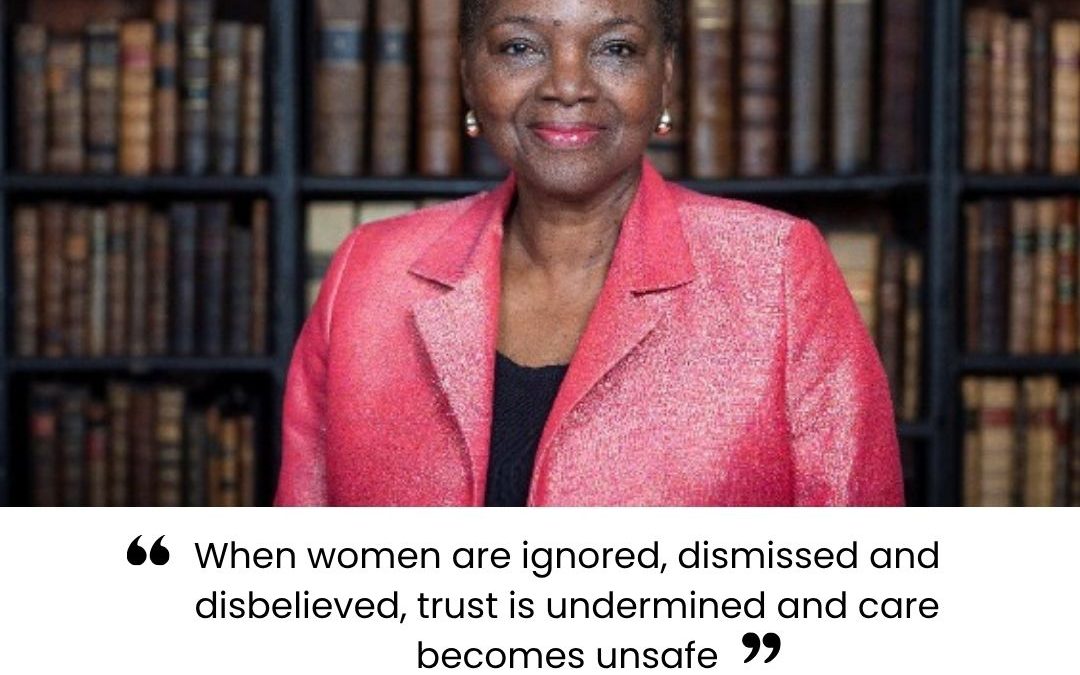
If there is one message that comes through time and again, it is this: too many women and families did not feel listened to and the consequences of this are profound. As Baroness Amos states:
“When women are ignored, dismissed and disbelieved, trust is undermined and care becomes unsafe.”
Staff Experiences of Feeling Unheard
We wholeheartedly welcome Baroness Amos’ call to place listening at the heart of maternity and neonatal services. The report also us tells another important story.
Staff themselves described feeling unheard, unsupported and unable to raise concerns safely. Many spoke of overwhelming workloads, burnout, fear of blame, moral injury and the emotional impact of working in systems under immense pressure.
Compassionate Cultures Enable Compassionate Care
One of the strongest messages for me is that compassionate care for women and families depends on compassionate cultures for staff. People cannot pour endlessly from an empty cup. We cannot expect colleagues to create psychologically safe, compassionate conversations if they themselves do not feel heard, supported or safe to speak up.
Over the last three years, I have had the privilege of hearing from hundreds of maternity and neonatal professionals who want exactly the same thing as women and families: to work in environments where people listen to one another, where concerns are taken seriously and where compassionate care is possible.
Leadership, Culture and System Conditions
The report rightly highlights that:
“Strong, visible leadership that actively listens to frontline concerns and fosters a non-punitive culture was frequently cited as essential.” and that “The system must be designed to support staff to listen.”
Creating these conditions requires more than communication training alone.
It requires:
- compassionate leadership;
- cultures of respect and inclusion;
- adequate workforce planning;
- psychological support for staff;
- time for meaningful conversations;
- trauma-informed practice;
- and environments where everyone feels safe to speak up.
The report also reminds us that listening and compassion cannot be separated from tackling racism, discrimination and inequality.
Every person should feel heard and respected, regardless of their colour, ethnicity, religion, disability, sexuality, gender identity or background.
That includes:
- pregnant women and birthing people;
- partners and families;
- and every member of staff working within maternity and neonatal services.
Learning from Existing Good Practice
Over the past three years, through our partnership with NHS England, we have seen the difference that investment in compassionate communication can make.
As someone who has had the privilege of working alongside maternity and neonatal professionals across England, I strongly agree with Baroness Amos’ observation that we should build on existing work and not reinvent the wheel. There is already so much commitment, innovation and good practice across the system. Our task now is not to start again. It is to recognise where good work is already happening, learn from it and create the conditions for it to spread.
More than 1,150 maternity and neonatal professionals have participated in our Advanced Communication for Personalised Care programme, with over 90% reporting increased confidence in listening to and empowering women and birthing people, and creating psychological safety.
Listening Creates Trust, Safety and Connection
Throughout our work with maternity and neonatal teams across England, I have been struck by something very simple: when people feel genuinely listened to, something changes. Conversations become different. Relationships become stronger. People feel safer.
As Baroness Amos concludes:
“With listening at its heart, we have the opportunity to grasp the challenge and create a maternity and neonatal service fit for the future.”
An opportunity to improve communication and create cultures in which every voice matters and every person is treated with dignity, compassion and respect. When people feel heard, trust grows, and where there is trust, safer and more compassionate care can flourish.