

The missing link in transforming health and care services and outcomes is in changing the thinking and the behaviours of patients to take greater ownership of their own health and care, particularly for those with long term conditions such as diabetes. This shift enables each person to become more resilient, prevent illness and, in turn, use a much smaller share of health and care services over time. The heart of these changes lies with a patient-centred, health-coaching approach to conversations between patient and health and care professionals. This requires changes in thinking, habits and behaviours of both patients, and health care professionals alike.
But health is complex and is influenced by a number of factors.The pie chart above taken from the Canadian Institute of Advanced Research outlines the four areas of influence on a person’s health and wellbeing. Some influences are pre-existing within the individual such as biology and genetics (as shown as C above), and others are educational, environmental and societal (areas A, B and D).
It is clear that the self-care and self-management segment (A) has the largest influence on an individual’s wellbeing. However, depending on the level of self care and management, this could dramatically help or drastically hinder a person’s health and wellbeing.
Research has shown that with the right level of educated input and person-centred support the positive impact of this influence can increase further, in turn reducing the need for other more costly influences such as ongoing healthcare and medication. This is particularly evident within Diabetes Care.
Introducing a health coaching approach to an individual’s consultation and care package can allow for a supported shift in mindset for both the patient and the practitioner. Health Coaching enables a patient to become more resilient, take ownership of their wellbeing, and become motivated to adopt new, healthier approaches, which fit within the patient’s individual life constraints and circumstances.
By increasing an individual’s confidence to take control of their wellbeing, and equipping them with the knowledge and skills to monitor and manage their own health, a patient is able to make personal adjustments to their lifestyle choices and risk areas, helping to prevent illness both in the immediate and longer term.
This paradigm shift in thinking, habits, behaviours and health-ownership recalibrates the patient-practitioner dynamic, creating a collaborative health partnership, supporting and embedding a long-term change for both the patient and the practitioner as well as using a smaller share of health and care services over time.
Further evidence of the health coaching approach impact on diabetes care can be found in our Case Studies section.
About the Author: Lesley Thompson

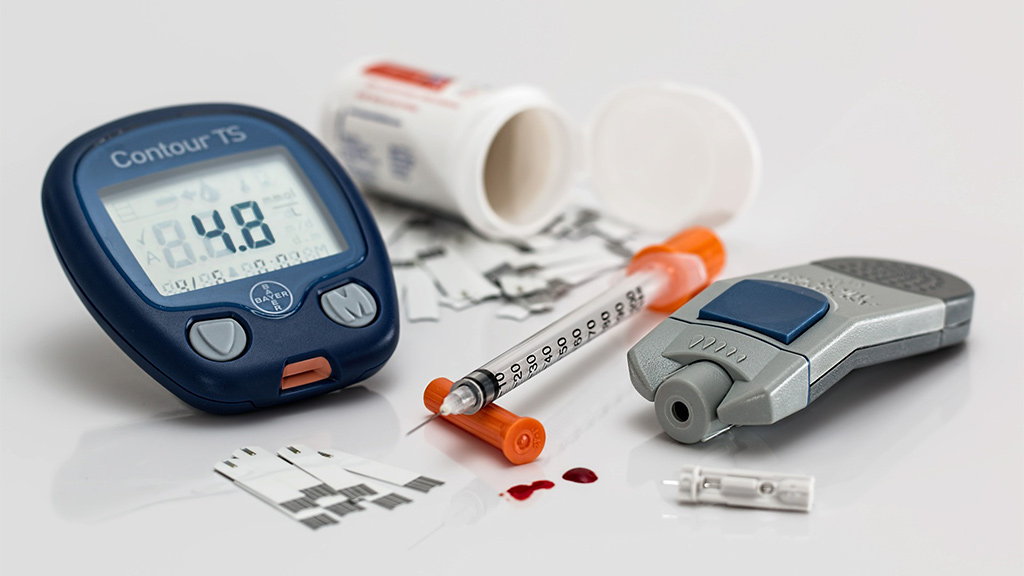

By learning how to adopt a coach approach via the Health Coaching Academy, Health and Care providers can have a significant impact on the lives of their practitioners and patients